The Conversation with the Funeral Director: How to Make Sure Everyone’s Wishes Are Heard and Respected

The Conversation with the Funeral Director: How to Make Sure Everyone’s Wishes Are Heard and Respected
When a loved one passes away, families are faced with both grief and a long list of decisions that need to be made quickly. In the midst of sorrow, the meeting with the funeral director becomes a key moment. It’s where wishes are expressed, plans are made, and the tone for the farewell is set. A thoughtful conversation can bring clarity and ensure that both the deceased’s and the family’s wishes are honored.
Preparation Makes a Difference
Although it can be emotionally difficult, taking time to prepare before meeting with the funeral director can make the process smoother. Think about what your loved one may have wanted—perhaps they left written instructions or spoke about their preferences. These might include choices about burial or cremation, the type of service, music, flowers, or where the ceremony should take place.
It can help to make a list of questions and topics to discuss, such as:
- Should the service be religious, spiritual, or secular?
- Who should speak or share memories?
- What music, readings, or rituals should be included?
- Will there be a gathering or reception afterward—and where?
The more you’ve thought through in advance, the easier it will be to make decisions calmly and respectfully.
The Funeral Director’s Role – More Than Logistics
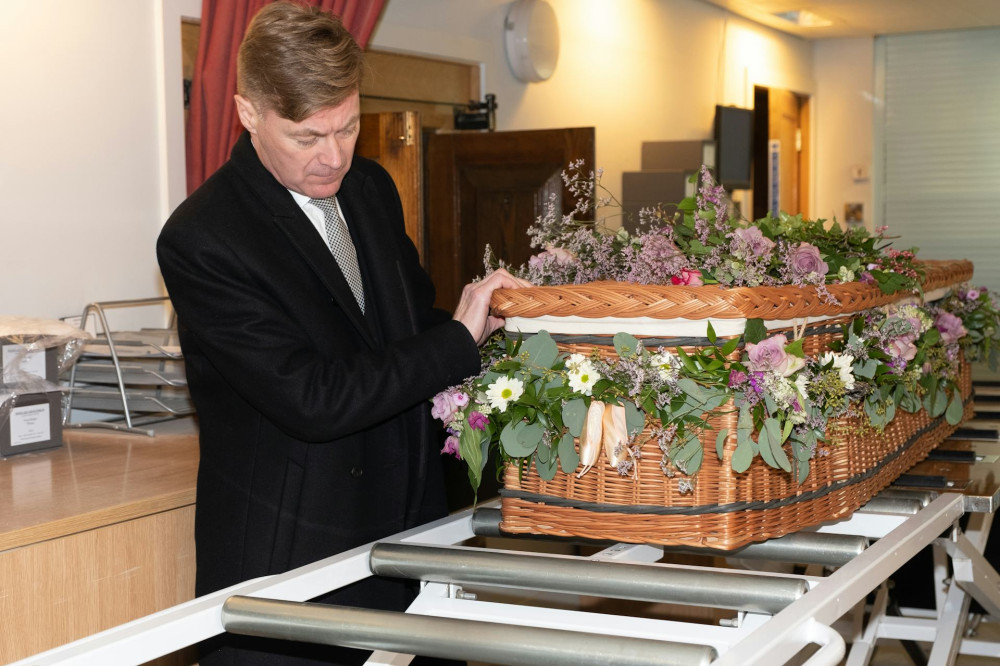
A funeral director is not only a professional who handles arrangements but also a compassionate guide through a difficult time. Most funeral directors have extensive experience supporting grieving families and can help you navigate the many details that follow a death.
A funeral director can:
- Coordinate with clergy, cemeteries, or crematories
- Arrange transportation for the deceased
- Handle necessary paperwork and permits
- Assist with obituaries, flowers, and printed materials
- Provide guidance on costs, insurance, and veterans’ benefits
Remember, the funeral director works for you. You have the right to ask questions, request time to think, and receive clear explanations of all services and prices. A good funeral director will listen carefully and adapt to your family’s needs.
A Space for Values and Memories
The conversation with the funeral director isn’t just about logistics—it’s about creating a farewell that feels meaningful. It can help to talk about who your loved one was: What mattered most to them? What values, passions, or traditions should be reflected in the service?
Some families prefer a traditional church service, while others choose a more personal or informal celebration of life. There’s no single right way to say goodbye. What matters most is that the ceremony feels authentic and comforting to those who attend.
Læs også:


When Family Members Disagree
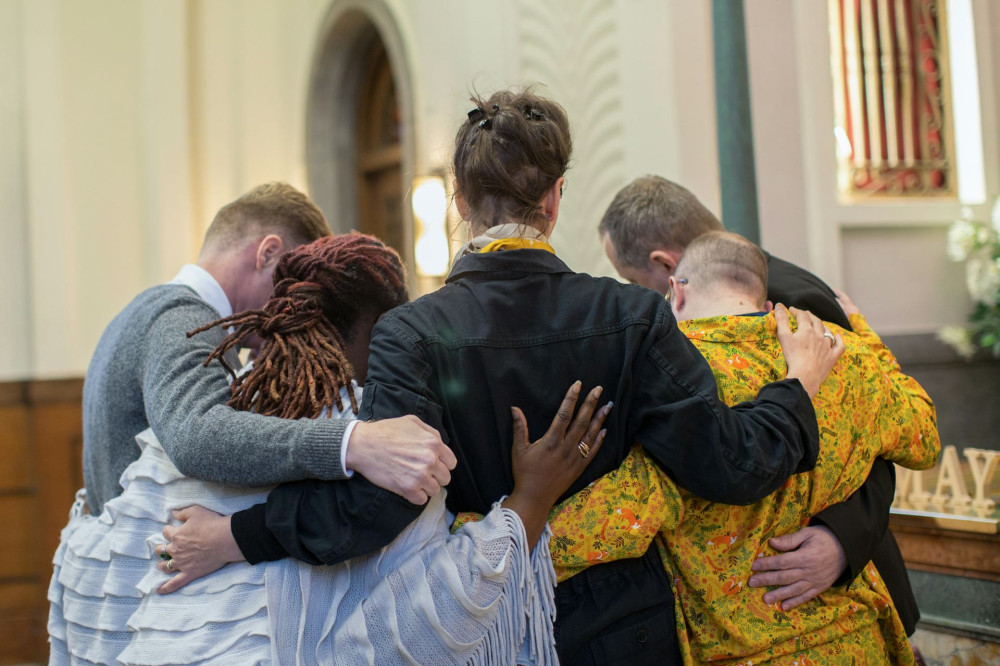
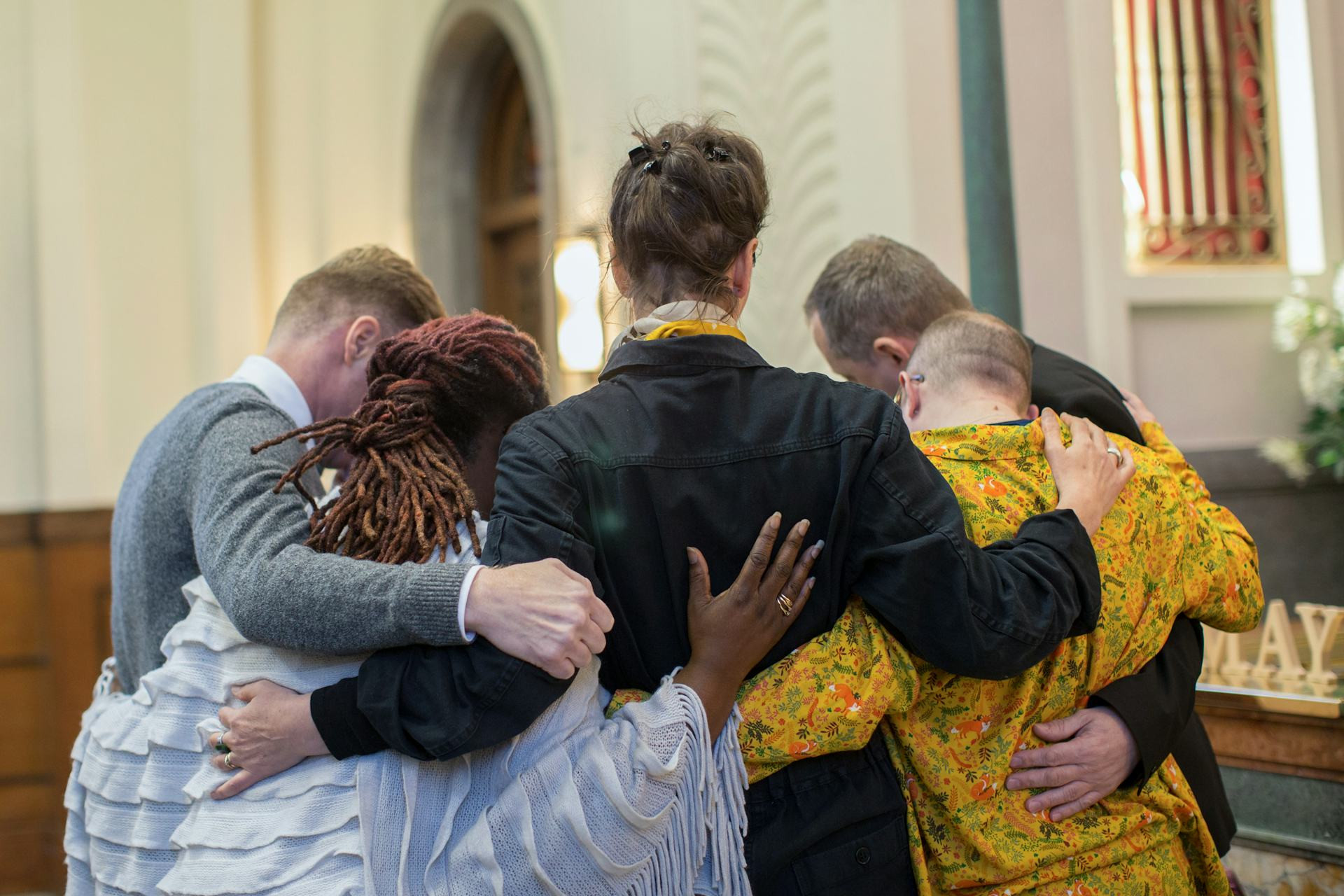
It’s not uncommon for family members to have different opinions about what the service should look like. Some may want to follow tradition, while others prefer a more modern or individualized approach. In these moments, the funeral director can serve as a neutral facilitator, helping the family find common ground.
A helpful way to move forward is to focus on what the deceased would have wanted. If there’s a will or written instructions, those should guide the decisions. Even without written wishes, reflecting on the person’s life and values can help the family reach an agreement that feels right.
Put Decisions in Writing
Once plans are made, it’s important to document them. This ensures that everyone is on the same page and that nothing is forgotten during an emotional time. The funeral director will usually provide a written summary of the arrangements for the family to review and approve.
If you want to make things easier for your own loved ones in the future, consider writing down your own funeral preferences. Many funeral homes offer preplanning services and can securely store your wishes so they’re available when needed.
A Conversation That Brings Peace
While it may be a difficult discussion, many families find that meeting with the funeral director brings a sense of relief. Once the decisions are made and the plans are in place, there’s more space to focus on what truly matters: remembering and honoring the life that was lived.
Ensuring that everyone’s wishes are heard and respected ultimately comes down to openness, empathy, and the willingness to listen—to one another and to the memory of the person you’ve lost.
Læs også: