Gravesites in Faith and Tradition: Similarities and Differences Across Cultures

Gravesites in Faith and Tradition: Similarities and Differences Across Cultures
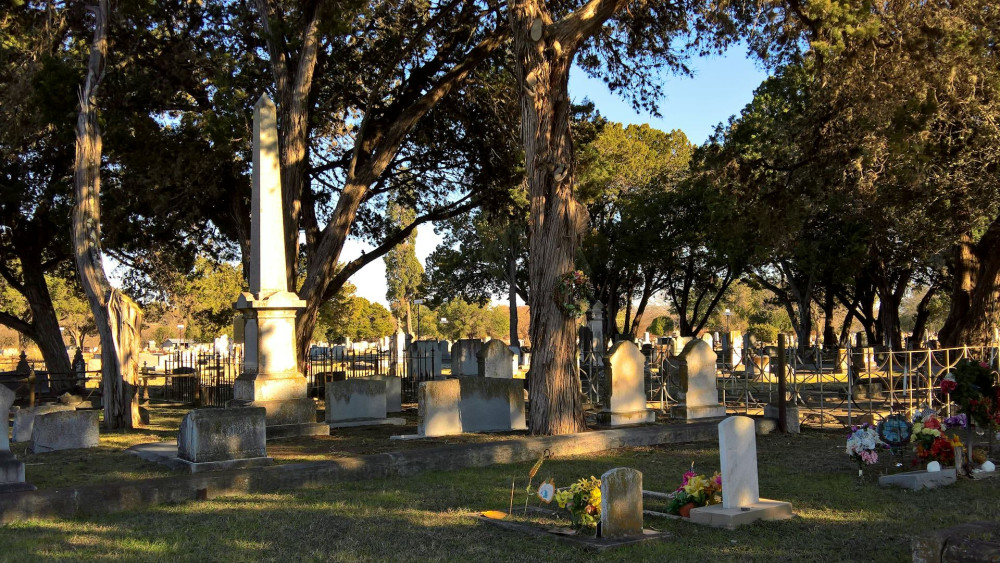
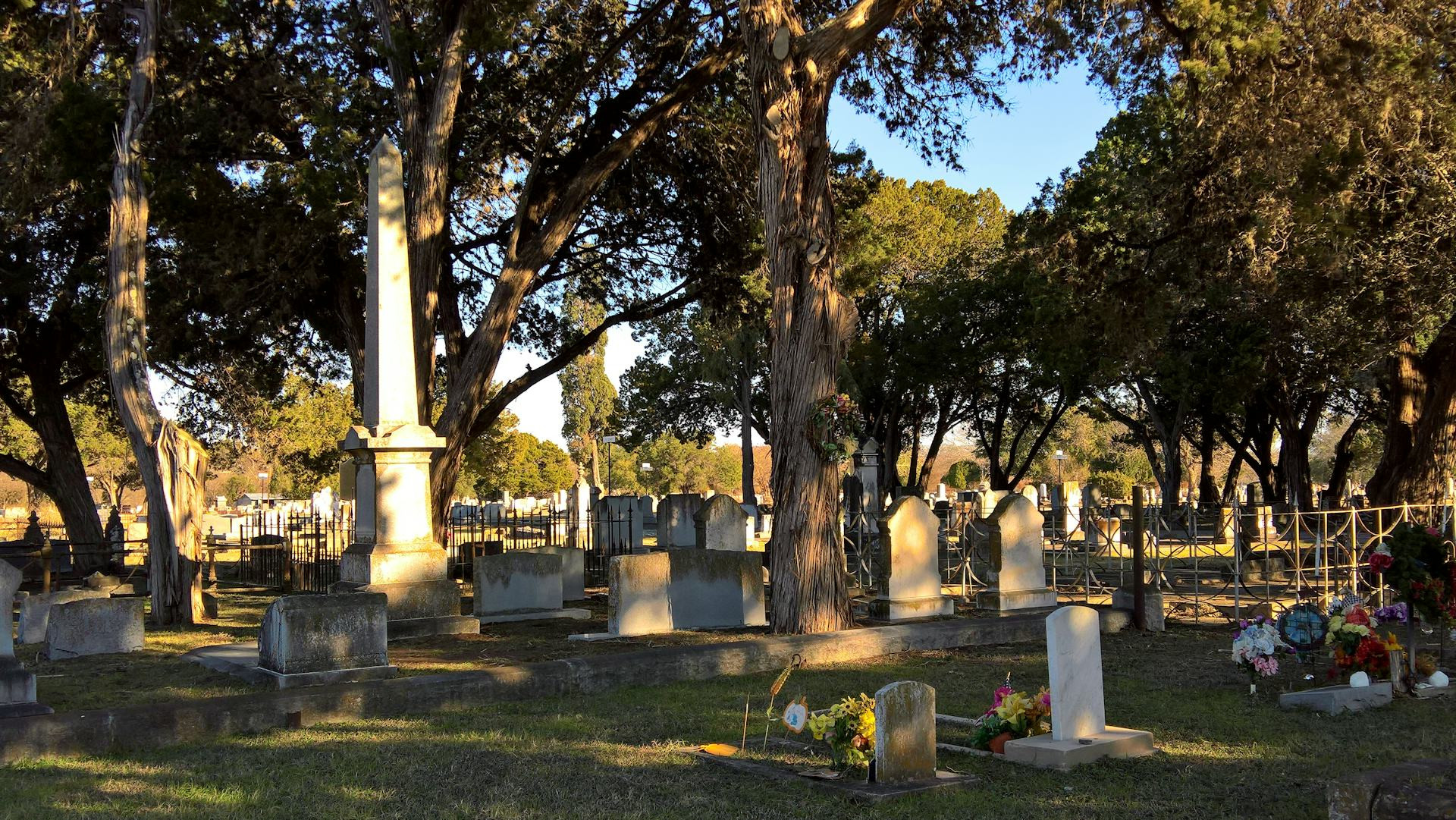
Gravesites are more than final resting places—they are reflections of culture, faith, and history. Across time and geography, people have expressed their beliefs about life, death, and the afterlife through the ways they bury and remember their dead. From the monumental tombs of ancient Egypt to the quiet churchyards of rural America and the vibrant cemeteries of Mexico, burial traditions reveal how humanity seeks meaning in both life and loss.
The Gravesite as an Expression of Faith
In many religions, beliefs about the afterlife shape the design and rituals of burial. In Christianity, the cross on a grave symbolizes hope in resurrection and eternal life. Graves are often oriented toward the east, facing the rising sun—a symbol of renewal and divine promise. In the United States, Christian cemeteries range from simple rural plots to elaborate memorial parks, yet the underlying message of faith and remembrance remains constant.
In Islam, graves are simple and oriented toward Mecca. The emphasis is on humility and equality in death, avoiding excessive decoration. Burial takes place soon after death, and the gravesite becomes a quiet place for prayer and reflection. Jewish burial traditions also stress simplicity and respect, with headstones inscribed in Hebrew and visitors placing small stones on the grave as a sign of remembrance.
In Hinduism and Buddhism, cremation is often central to funeral rites. Rather than preserving the body, the focus is on releasing the soul to continue its spiritual journey toward rebirth or enlightenment. Memorials may take the form of shrines or stupas rather than traditional graves, serving as places for meditation and offerings.
Traditions and Symbols
Gravesites are rich in symbols that reflect both faith and culture. In Western cemeteries, crosses, angels, and flowers are common—symbols of faith, love, and the fleeting nature of life. In East Asia, one might find stone guardians, incense, and offerings of food, meant to honor ancestors and maintain harmony between the living and the dead.
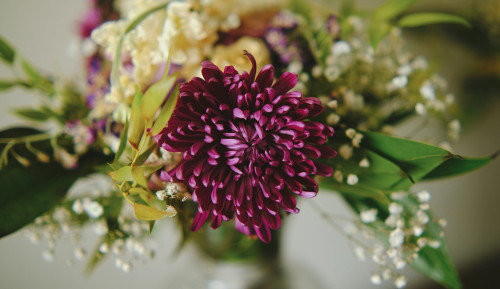
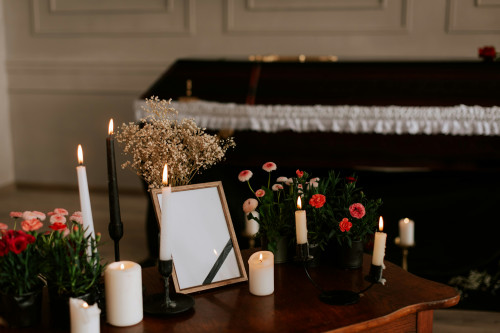
Color also carries meaning. In much of the Western world, black is associated with mourning, while in many Asian cultures, white represents purity and death. In Mexico, during Día de los Muertos (Day of the Dead), graves are adorned with marigolds, candles, and music—a joyful celebration of life and remembrance that transforms cemeteries into places of color and connection.
Community and Remembrance
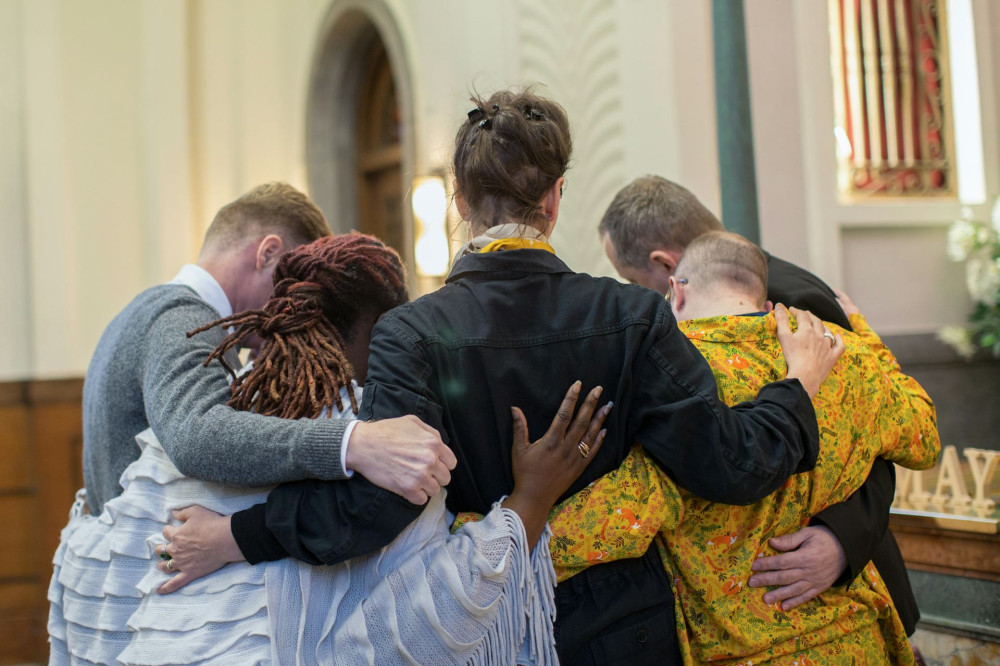
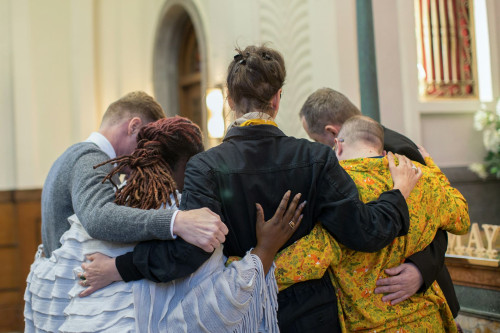
Gravesites serve not only the deceased but also the living. They are spaces for grief, memory, and community. In the United States, cemeteries often function as peaceful parks where families visit to reflect, decorate graves with flowers, or participate in Memorial Day ceremonies honoring veterans. In other cultures, cemeteries are lively gathering places where families share food, stories, and songs in honor of their ancestors.
In Japan, families visit graves during the Obon festival, lighting lanterns and offering flowers to welcome ancestral spirits. In Mexico, families bring food, photos, and music to the graves during Día de los Muertos, reminding us that death is not an end but part of the ongoing cycle of life.
Modern Trends and New Forms of Memorial
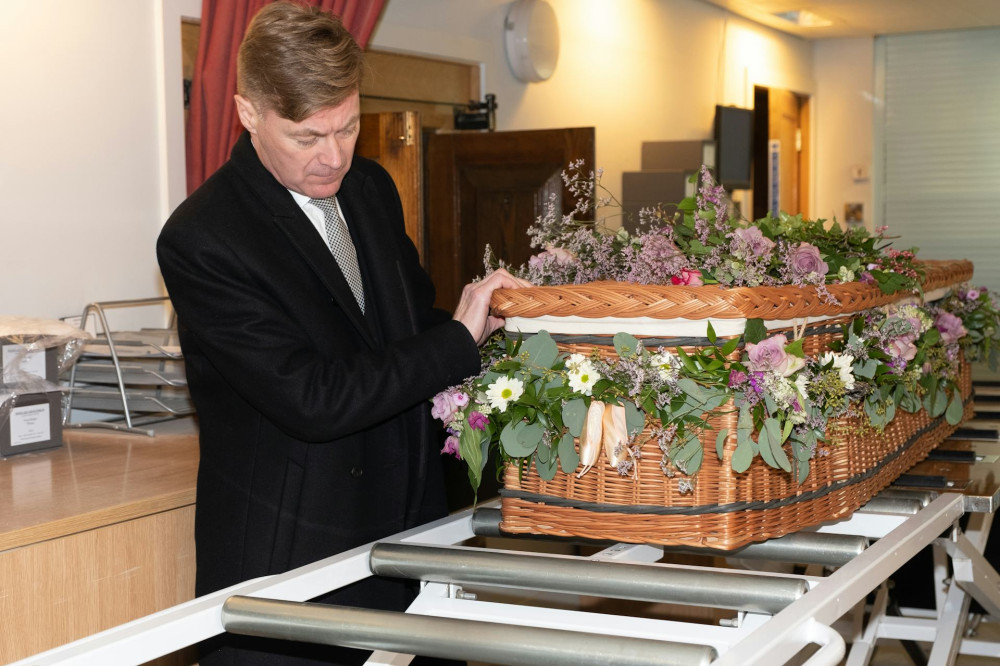
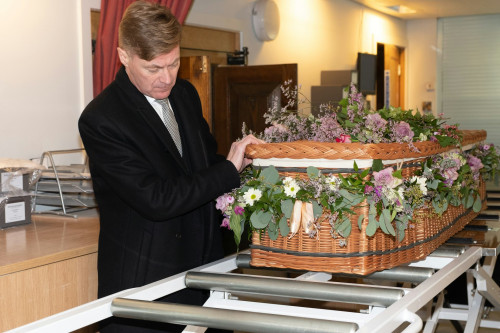
As societies change, so do burial practices. In the United States, cremation has become increasingly common, reflecting both practical and environmental considerations. Green burials—where bodies are laid to rest in biodegradable materials without embalming—are gaining popularity among those seeking a closer connection to nature.
Digital memorials have also become part of modern mourning culture. Online spaces allow families and friends to share photos, stories, and tributes, extending remembrance beyond the physical gravesite. At the same time, there is growing interest in preserving historic cemeteries as cultural landmarks, recognizing them as records of community history and identity.
Læs også:
Shared Humanity in Diversity
Though burial customs differ widely across cultures, they share a common human purpose: to honor the dead and find meaning in loss. Whether marked by flowers, stones, prayers, or songs, gravesites express love, respect, and hope. They remind us that death is not only an end but also a reflection of how we live—and how we choose to remember.
Læs også: