Flowers and Small Gifts as Heartfelt Condolences


Flowers and Small Gifts as Heartfelt Condolences
When someone experiences the loss of a loved one, it can be difficult to find the right words. In such moments, a bouquet of flowers or a small gift can express what words cannot. A condolence gift is a quiet gesture that shows care, respect, and compassion — and can bring a moment of comfort in the midst of grief.
Flowers as a Symbol of Sympathy
For generations, flowers have been a meaningful way to express sympathy and remembrance. They speak a universal language, where colors and varieties carry their own symbolism.
- Lilies are often associated with purity and peace and are a traditional choice for funerals.
- Roses convey love and respect — white roses for innocence, red for deep affection, and pink for gratitude.
- Chrysanthemums symbolize honor and remembrance in many cultures, and in the U.S. they are often used to celebrate a life well lived.
- Carnations and orchids can also be thoughtful choices, offering beauty and grace in a time of sorrow.
When choosing flowers, consider what might reflect the personality of the deceased or the preferences of the family. A simple arrangement in soft tones can be just as meaningful as a large floral display.
Small Gifts with Great Meaning
In addition to flowers, many people choose to send a small gift as a condolence. It can be something that brings warmth and comfort during a difficult time — without feeling intrusive.
- A handwritten card with a few sincere words can mean more than anything else.
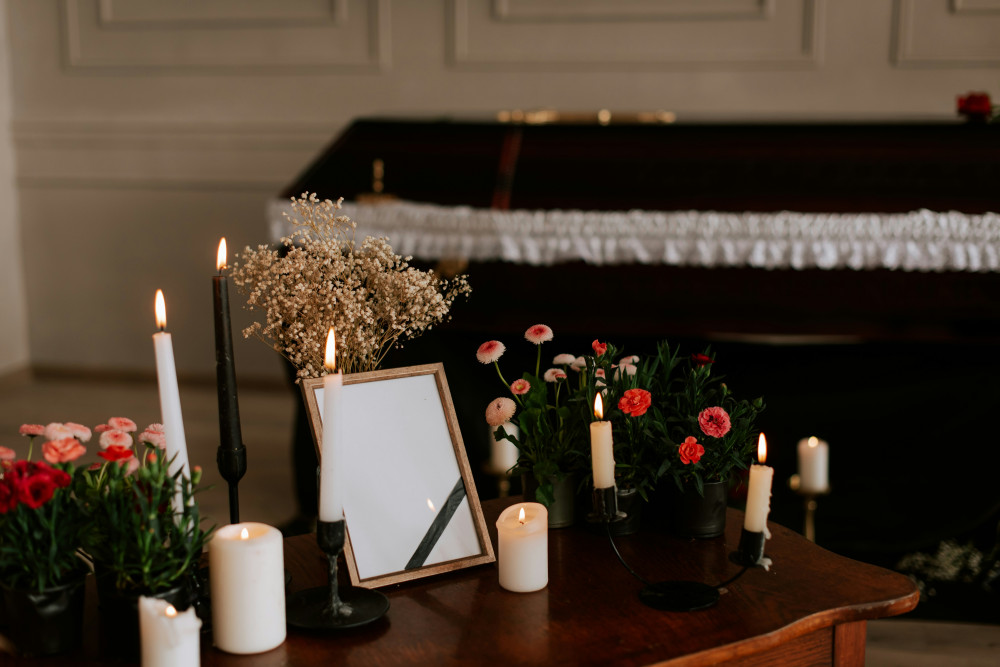
- A candle symbolizes light, hope, and remembrance — many families light one in honor of their loved one.
- A memorial ornament, stone, or tree can serve as a lasting tribute and a place to reflect.
- A book of comfort or poetry can offer gentle support when words from others fall short.
The most important thing is that the gesture feels genuine and personal. It is not meant to take away the pain, but to show that you stand beside those who grieve.
Læs også:




When and How to Send Condolences
The timing of sending flowers or a gift depends on your relationship and the circumstances. Many people send a bouquet soon after hearing the news, while others wait until the funeral or a few days later, when daily life begins to settle in again.
If you are unsure, you can reach out to the funeral home or the family to ask if there are any special requests. Some families prefer donations to a charity in lieu of flowers — a thoughtful way to honor the memory of the deceased.
When writing a condolence card, it doesn’t need to be long. A simple message such as “Thinking of you during this difficult time” or “Wishing you peace and comfort in the days ahead” can be enough. What matters most is that it comes from the heart.
A Gesture That Lasts
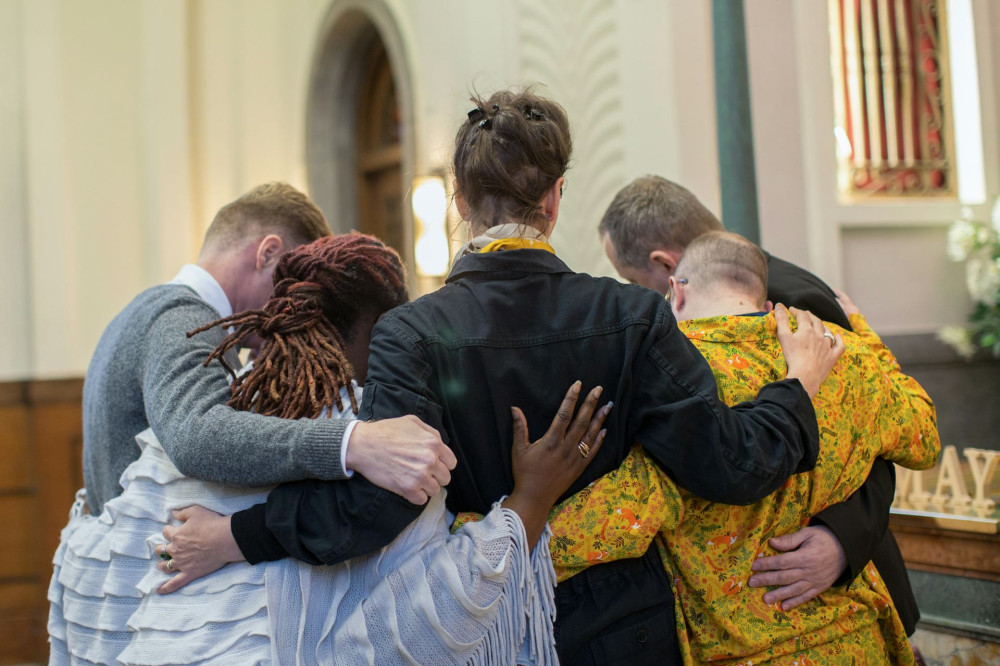
Though flowers fade and gifts are small, they can leave a lasting impression. They remind the bereaved that they are not alone, and that their loss is seen and acknowledged.
Sending condolences is more than a tradition — it is a way to show human kindness when life feels unbearable. In times of sorrow, a bouquet, a candle, or a heartfelt note can be a quiet yet powerful expression of love and solidarity.
Læs også: