When Luck Meets Probability: What Happens When You Win at a Casino?

When Luck Meets Probability: What Happens When You Win at a Casino?
Winning at a casino is, for many, the ultimate thrill — a moment when luck seems to smile and random chance suddenly feels like destiny. But what really happens when you hit the jackpot? And how do probability, psychology, and money all come together in that instant when fortune turns your way? Let’s take a closer look at what happens — in your body, your mind, and your life — when you win at a casino.
When Adrenaline Takes Over
The first thing that happens when you win is a physical reaction. Your body releases dopamine — the brain’s “reward chemical” — which creates feelings of euphoria and excitement. Your heart rate increases, your palms may sweat, and your brain registers the experience as something intensely positive. It’s the same biological mechanism that activates when we experience success, love, or adventure.
For many players, this rush is part of the casino’s allure. It’s not just about the money — it’s about the feeling of being on top of the world, even if only for a fleeting moment.
Læs også:

The Cold Reality of Probability
As exhilarating as a win feels, every casino victory is ultimately a matter of probability — not skill or pattern recognition. Games like roulette, slot machines, and blackjack are designed with a built-in mathematical advantage for the house, known as the house edge. This ensures that, over time, the casino always comes out ahead.
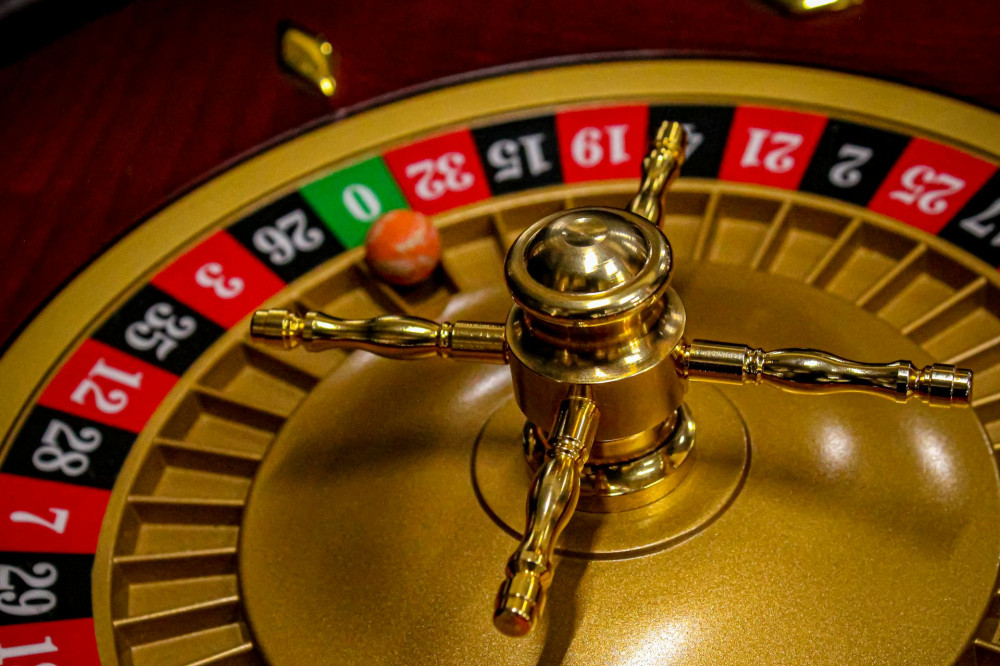
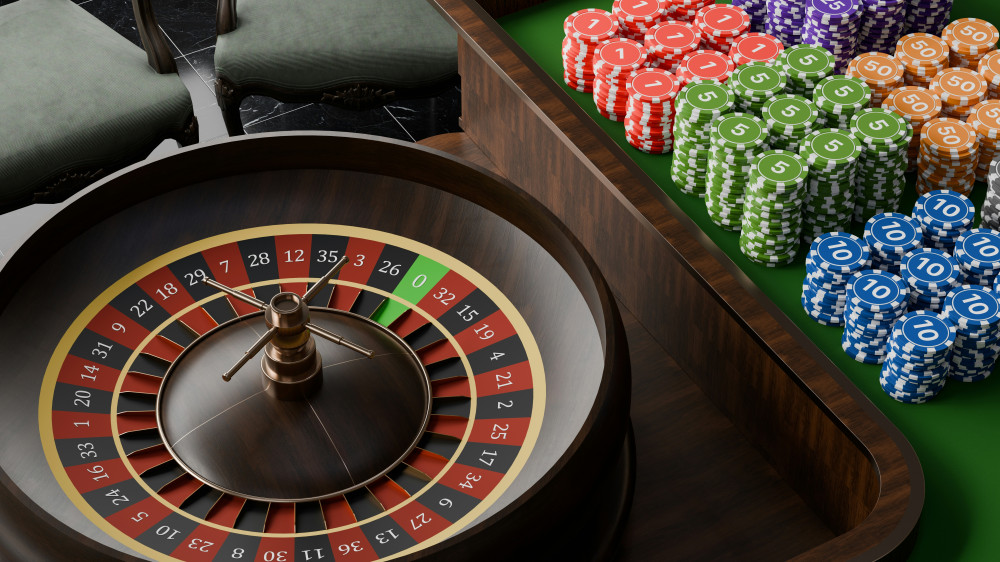
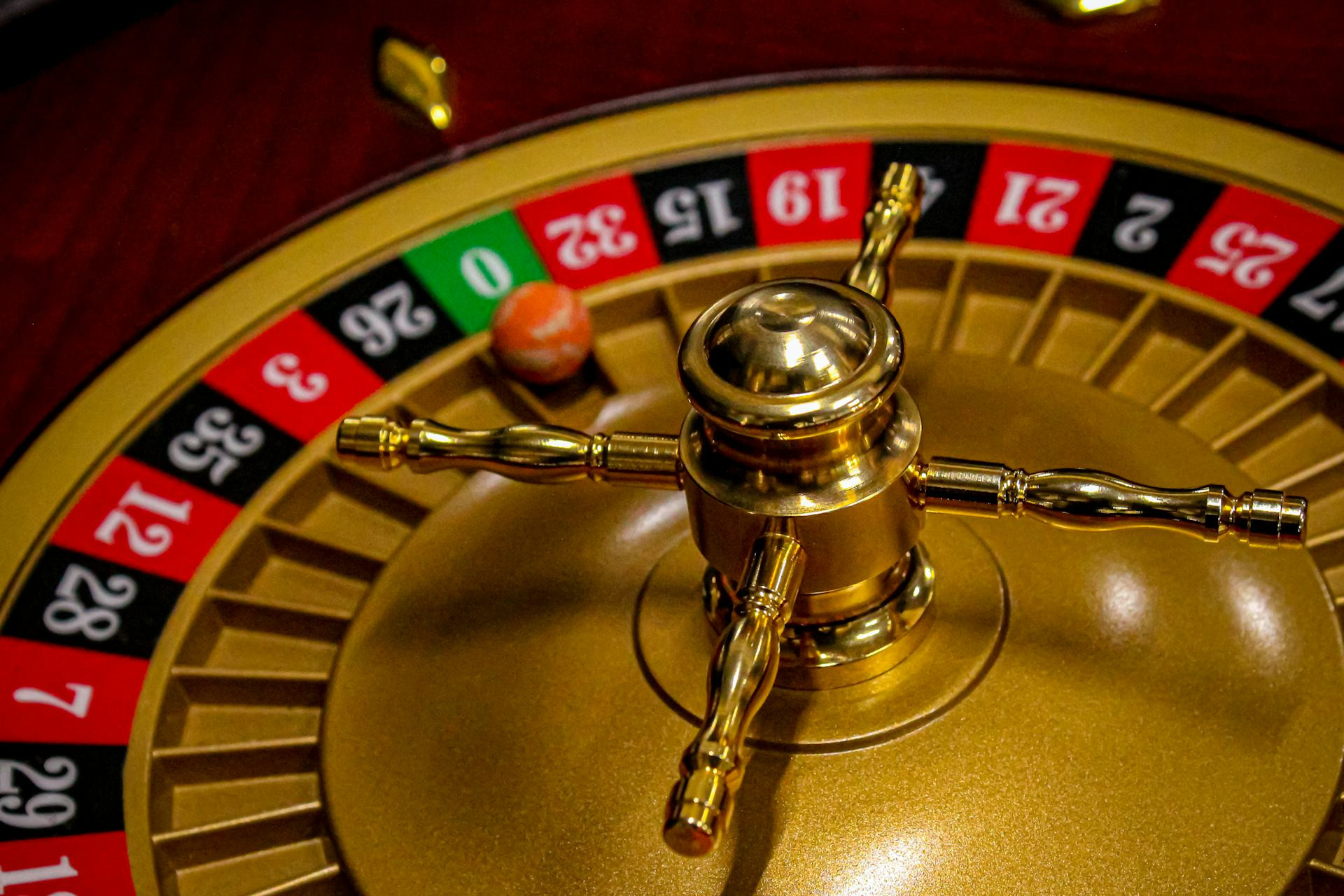
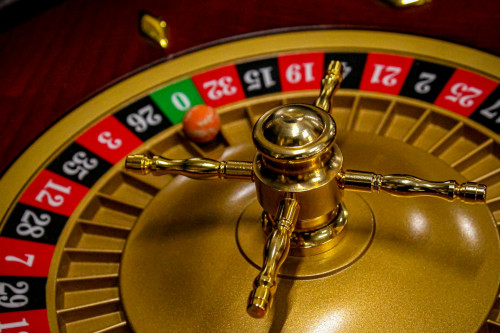
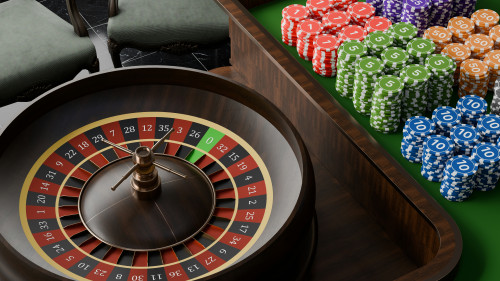
Take American roulette, for example: the wheel has 38 slots, but payouts are calculated as if there were only 36. That small difference guarantees the casino a statistical profit in the long run — no matter how many players win along the way.
Understanding this math is key to playing responsibly. Luck can bring a win, but probability ensures that it rarely lasts.
The Psychological Aftermath
A big win can change how you perceive risk and control. Many players start to believe they’ve “figured out the system” and can repeat their success. Psychologists call this the illusion of control — a common cognitive trap in gambling behavior.
Research shows that our brains remember wins much more vividly than losses. That means a single big win can keep a player coming back again and again, even though the odds of repeating it are slim. This is one reason why responsible gambling and self-awareness are so important.
The Financial Side of Winning
A major win can certainly change your financial situation — but how it plays out depends on how you handle it. In the U.S., casino winnings are considered taxable income. Whether you win at a Las Vegas resort or an online casino licensed in another state, the IRS expects you to report your winnings. Casinos often issue a Form W-2G for larger payouts, and taxes may be withheld on the spot.
Financial advisors often warn that sudden wealth can disappear as quickly as it arrives. Without a plan, a windfall can lead to overspending or risky investments. Experts recommend treating a big win as an opportunity to build stability — paying off debt, saving, or investing — rather than as a reason to change your lifestyle overnight.
When Everyday Life Returns
After the initial excitement fades, reality sets back in. For some, the experience becomes a fun story to tell; for others, it marks the beginning of a more complicated relationship with gambling. This is where the line between luck and addiction can become blurred.
Winning can provide a temporary high, but it’s rarely a path to lasting happiness. Most regular players lose more than they win over time. Responsible gambling isn’t about avoiding risk altogether — it’s about understanding it, setting limits, and knowing when to walk away.
Luck, Probability, and Human Nature
The casino is a microcosm of human behavior: hope, excitement, fear, and the dream of beating the odds. When luck meets probability, there’s a moment when anything feels possible — but mathematics ultimately sets the boundaries.
Understanding that balance can make the experience both more enjoyable and more mindful. In the end, gambling isn’t just about winning — it’s about knowing why you play.
Læs også: