Roulette Explained: How Bets Affect the Game’s Pace and Excitement

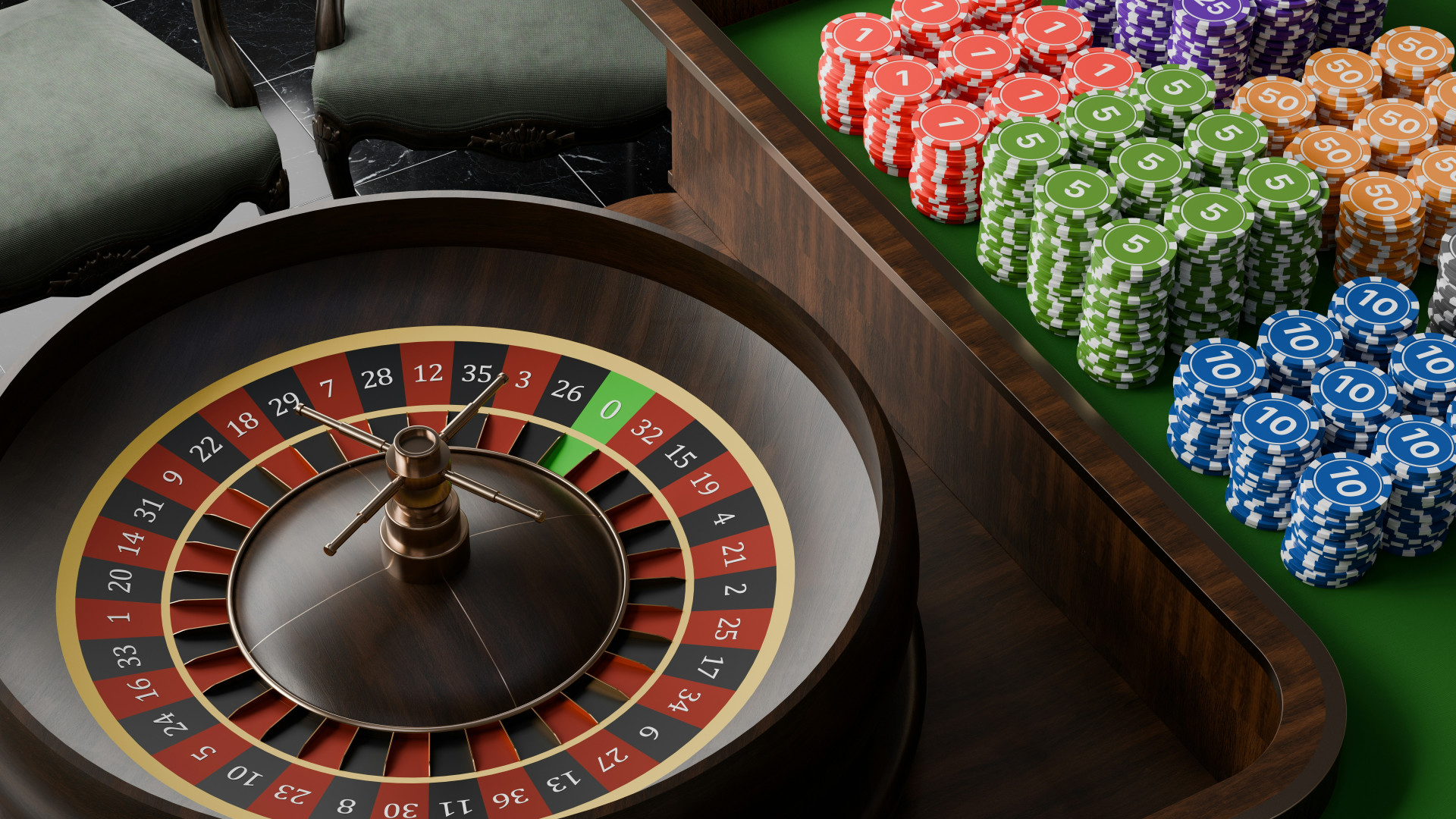
Roulette Explained: How Bets Affect the Game’s Pace and Excitement
Roulette is one of the most iconic casino games in the world—a blend of chance, rhythm, and anticipation that peaks in the moment the ball lands on a number. While the rules are simple, the way you choose to bet can dramatically influence both the pace of the game and the level of excitement you feel. In this article, we’ll explore how different types of bets shape the tempo at the table and the thrill that keeps players coming back.
A Game of Rhythm and Anticipation
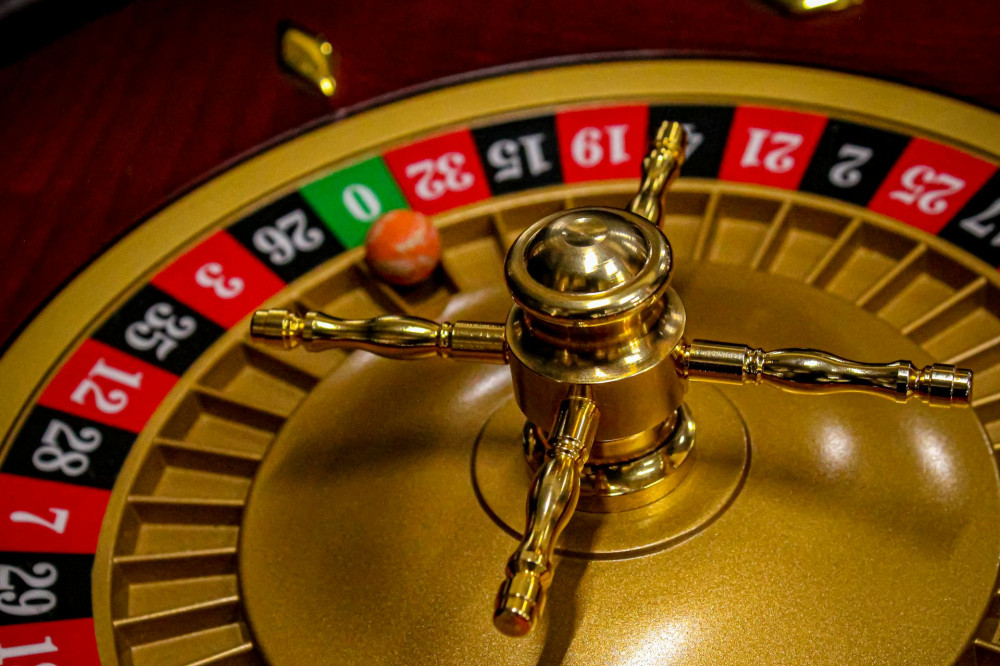
Roulette has a unique rhythm compared to other casino games. Each round follows a familiar pattern: players place their bets, the dealer spins the wheel, and the ball eventually settles into a numbered pocket. This repetition creates a natural flow, but the tempo can shift depending on how players approach their wagers.
Quick, straightforward bets keep the game moving at a steady pace. More complex or high-stakes bets, on the other hand, tend to slow things down as players take extra time to plan and consider their options. The slower pace can heighten the tension, making each spin feel more significant.
Læs også:

Simple Bets – Fast Play and Easy Flow
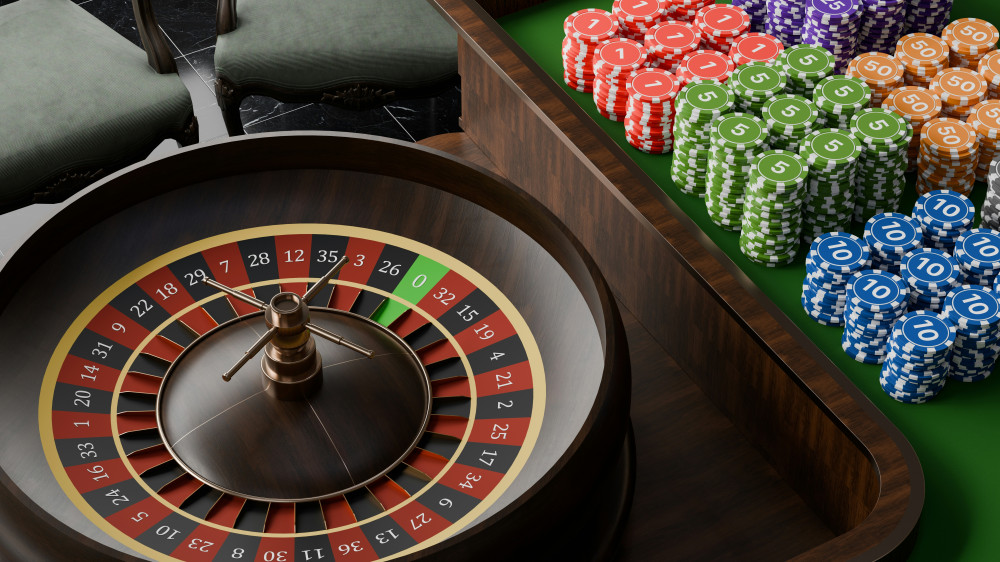
The most common wagers in roulette are the so-called “outside bets,” such as betting on red or black, odd or even, or high or low numbers. These bets cover nearly half the numbers on the wheel and offer close to a 50/50 chance of winning.
For many players, this simplicity is part of the appeal. The decisions are quick, the rounds move fast, and the atmosphere stays light and social. It’s the perfect setup for those who enjoy a lively table and a game that doesn’t require deep concentration.
Complex Bets – Slower Pace, Greater Intensity
When players start experimenting with “inside bets”—wagers on specific numbers or small groups of numbers—the character of the game changes. The odds of winning are lower, but the payouts are much higher. That means every spin carries more weight, and the suspense builds as the ball slows down.
These bets often take longer to place, and players may pause between rounds to analyze patterns or adjust their strategies. The tempo slows, but the emotional intensity rises. For some, that deliberate pace and heightened focus are what make roulette truly captivating.
Strategies and Game Flow
Although roulette is ultimately a game of chance, many players use betting systems to bring structure to their play. Classic approaches like the Martingale, Fibonacci, or D’Alembert systems don’t predict outcomes—they simply guide how much to bet after each win or loss.
These strategies can have a big impact on the game’s rhythm. A player who doubles their bet after every loss might take more time between spins to think through their next move, while someone who keeps their bet size consistent can maintain a faster, more relaxed pace. In this way, strategy becomes not just a matter of math, but of tempo and experience.
The Psychology of Excitement
Roulette taps directly into our sense of anticipation. The brief moment when the ball spins around the wheel creates a surge of excitement that’s both nerve-wracking and exhilarating. The higher the stakes, the stronger the emotional response—but also the greater the temptation to chase losses.
Psychologists studying gambling behavior note that roulette’s appeal lies in the balance between randomness and perceived control. Players know the outcome is random, yet they still feel that their timing and choices matter. This tension between chance and agency is what makes the game’s pace and excitement so closely intertwined.
Online Roulette – A New Kind of Tempo
With the rise of online casinos, roulette has taken on new forms. Digital versions allow players to control the speed of play—some prefer rapid, automated spins, while others enjoy live dealer games that replicate the slower, more social pace of a physical casino.
Online play also gives players the freedom to experiment with different betting patterns without the pressure of a crowded table. Whether you’re looking for a quick burst of entertainment or a more deliberate, strategic experience, you can find a rhythm that suits your style.
Finding Your Own Pace
There’s no single right way to play roulette. Some players thrive on fast rounds and small bets, while others savor the slow build of tension that comes with larger wagers. The key is to understand your own preferences and limits—and to play for the enjoyment of the experience, not just the pursuit of a win.
When you find the pace that fits you best, roulette becomes more than a game of numbers and colors. It becomes a dance of rhythm, focus, and anticipation—an experience that’s as much about the journey as it is about the outcome.
Læs også: