From Drying to Fermentation: How to Preserve Food Quality

From Drying to Fermentation: How to Preserve Food Quality
Preserving food has always been part of human ingenuity. Long before refrigerators and freezers, people relied on creative ways to extend the life of their harvests and meats—without losing flavor or nutrition. Today, traditional preservation methods like drying, salting, and fermenting are making a comeback in American kitchens, not only for their practicality but also for the depth of flavor they bring. Here’s how you can use these time-tested techniques to keep your food fresh, flavorful, and full of character.
Drying – The Oldest and Simplest Method
Drying is one of the oldest preservation methods known to humankind. By removing moisture, you prevent bacteria and mold from growing, allowing food to last for months—or even years.
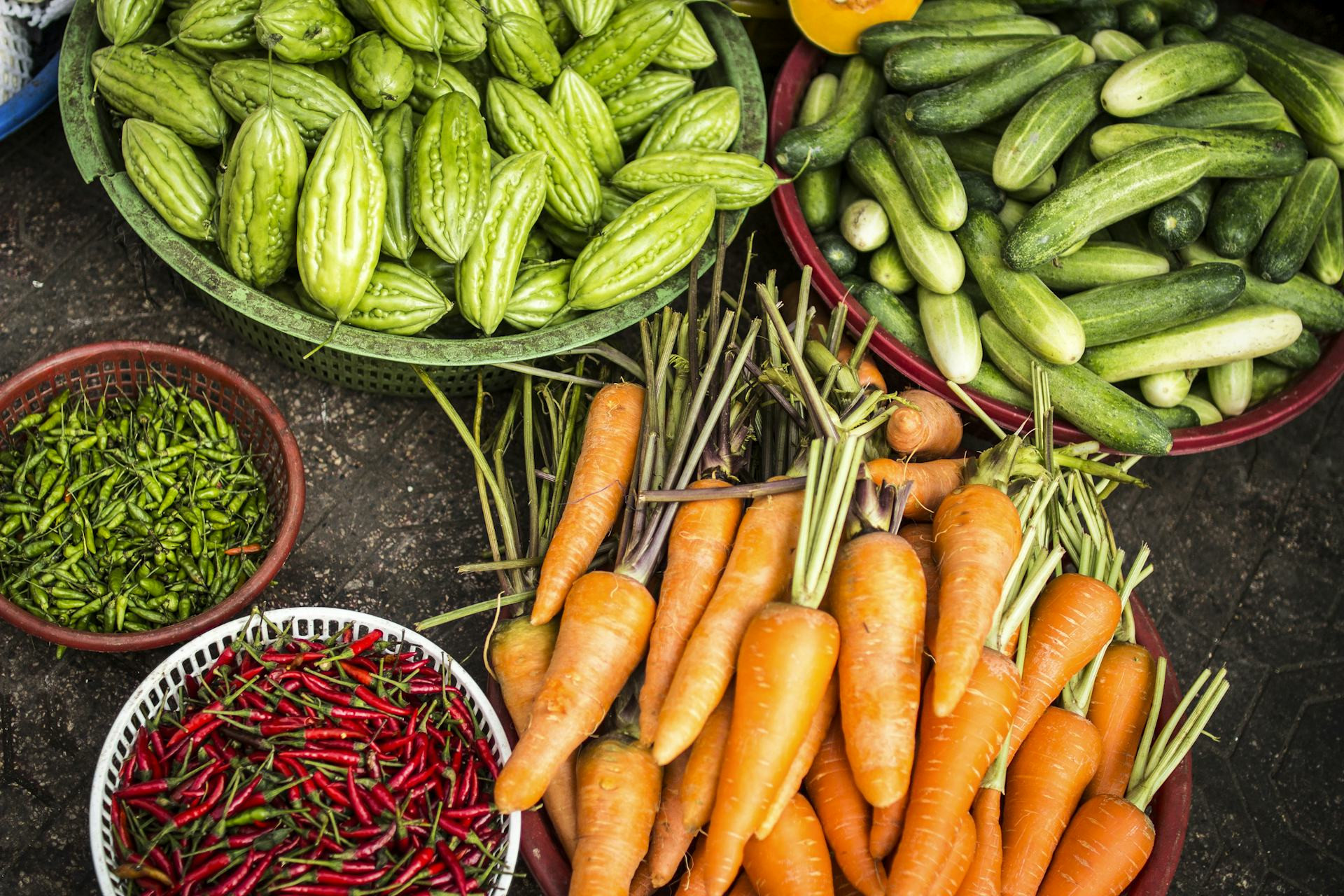
You can dry almost anything: fruits, vegetables, herbs, meats, and fish. All you need is heat, air, and time. Modern home dehydrators make the process easy, but you can also use your oven on a low setting or even the sun on a hot, dry day.
- Fruits like apples, peaches, and strawberries become naturally sweet snacks that retain much of their original flavor.
- Vegetables such as tomatoes, mushrooms, and peppers develop a concentrated taste perfect for soups, stews, and sauces.
- Herbs like basil, thyme, and rosemary can be dried and stored for use all year long.
Once dried, store your food in airtight containers in a cool, dark place to preserve color, aroma, and taste.
Salting and Smoking – Flavor and Preservation in One
For centuries, salting and smoking have been used to preserve meat and fish. Salt draws out moisture and creates an environment where bacteria can’t thrive, while smoke adds both flavor and a mild preservative effect.
There are two main salting methods:
- Dry curing, where salt is rubbed directly onto the food.
- Brine curing, where the food is soaked in a saltwater solution for several days.
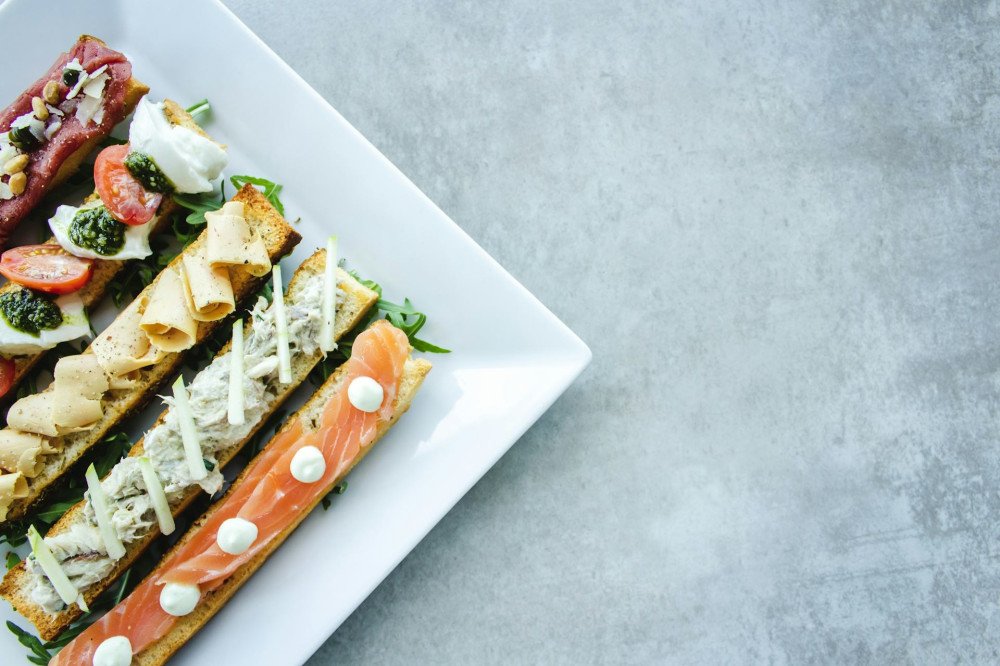
After salting, you can smoke the food—either cold smoking, which imparts flavor and extends shelf life, or hot smoking, which also cooks the food. Classic examples include smoked salmon, bacon, and jerky—staples in many American households and outdoor adventures.
Læs også:
Fermentation – Letting Microbes Do the Work
Fermentation is a living process where natural bacteria and yeasts transform sugars and carbohydrates into acids, alcohol, or gases. It may sound scientific, but it’s one of the most natural and flavorful ways to preserve food.
When you ferment, you create an environment where beneficial microbes thrive while harmful ones are kept out. The result is food that’s rich in flavor, easier to digest, and often more nutritious.
Some of the most popular fermented foods include:
- Sauerkraut and kimchi – tangy, probiotic-rich cabbage dishes.
- Yogurt and kefir – cultured dairy products that support gut health.
- Sourdough bread – made with a natural starter that gives depth of flavor and texture.
- Kombucha – a fermented tea that’s become a refreshing, fizzy alternative to soda.
Fermentation takes patience and cleanliness, but once you get the hang of it, you’ll find it hard to go back to store-bought versions.
Freezing and Pickling – Modern Kitchen Essentials
While traditional methods are gaining new fans, freezing and pickling remain the most common preservation techniques in American homes. Freezing locks in nutrients and texture, while pickling—using vinegar, salt, sugar, and spices—adds both longevity and flavor.
Try combining methods for variety and less waste: freeze extra berries for smoothies, and pickle vegetables that might otherwise spoil. You’ll save money, reduce food waste, and enjoy a wider range of flavors year-round.
Quality Begins with Fresh Ingredients
No matter which method you choose, the key to successful preservation is starting with fresh, high-quality ingredients. Preservation can extend shelf life, but it can’t improve something that’s already past its prime.
Pay attention to hygiene and storage—clean jars, proper temperatures, and airtight containers make all the difference. And remember, these methods aren’t just about keeping food from spoiling; they’re about celebrating flavor, tradition, and connection.
When you dry apples, ferment cabbage, or cure fish, you’re taking part in a centuries-old practice that honors the harvest, reduces waste, and lets nature’s own processes work for you.
Læs også: