Classical Principles in Modern Gastronomy

Classical Principles in Modern Gastronomy
In an era where gastronomy evolves at lightning speed—with new techniques, trends, and technologies emerging every season—it can seem as though classical principles belong to the past. Yet, they remain the foundation of nearly all modern cooking, from Michelin-starred restaurants to ambitious home kitchens. Understanding and mastering these timeless fundamentals is still the key to creating food that tastes, smells, and feels right.
Flavor as the Foundation
No matter how modern a dish looks, it ultimately succeeds or fails on flavor. The classical principles of balance—between sweet, sour, salty, bitter, and umami—are as relevant today as they were a century ago. Contemporary chefs may use fermentation, smoking, or reductions to build depth and complexity, but the goal remains the same: harmony.
Take a sauce, for example. Whether it’s a traditional stock-based reduction or a modern plant-forward emulsion, the process is about layering flavor. The classical habit of tasting and adjusting throughout cooking, rather than only at the end, remains one of the most valuable lessons in any kitchen.
Læs også:

Technique Before Trends
Modern gastronomy thrives on innovation: sous vide, dehydration, foams, and molecular techniques. But behind every new method lies classical craftsmanship. A perfectly seared steak still depends on understanding heat, timing, and rest. A delicate soufflé still demands precision and respect for the laws of physics.
Classical techniques—sautéing, blanching, braising, baking—are far from outdated. Instead, they provide the solid foundation that allows experimentation to flourish. Many of today’s most inventive dishes are built on a deep understanding of traditional methods.
Respect for Ingredients
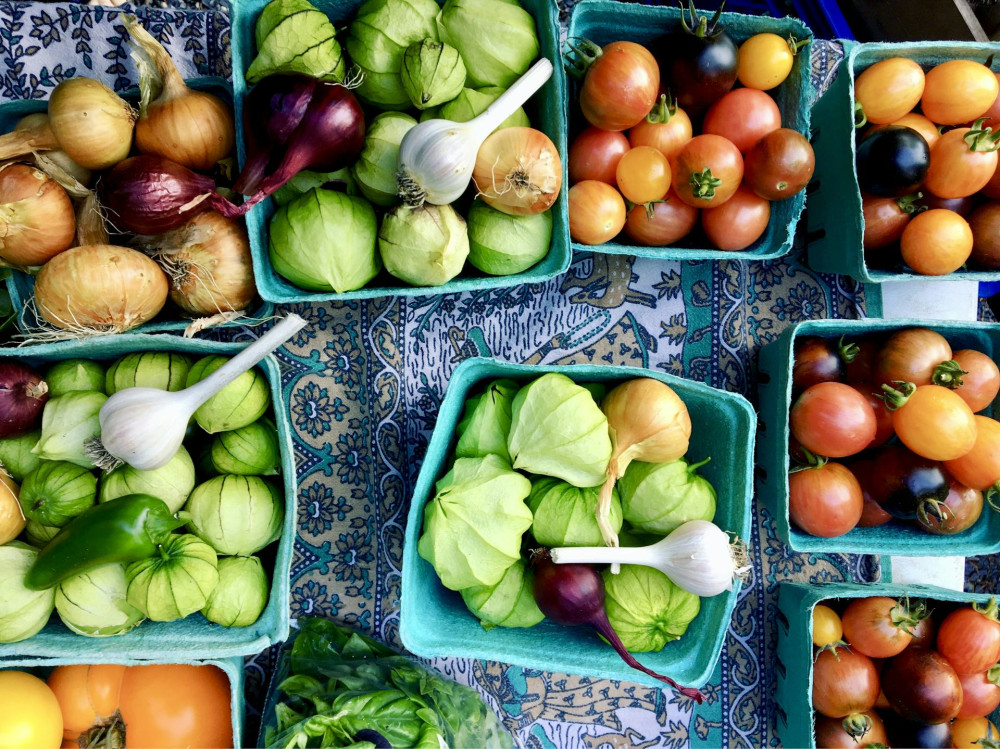
Another classical principle that has regained importance is respect for the ingredient. In an age when sustainability and seasonality are central to American dining culture, many chefs are returning to the idea of using the whole ingredient—the entire vegetable, the whole fish, the full season.
This approach isn’t just about reducing waste; it’s about understanding how each part of an ingredient can serve a different purpose. A root vegetable can become a purée, a crisp, and a broth. A chicken can yield both a tender roast and a rich stock. It’s classical thinking, reimagined for a modern, eco-conscious kitchen.
Aesthetics and Simplicity
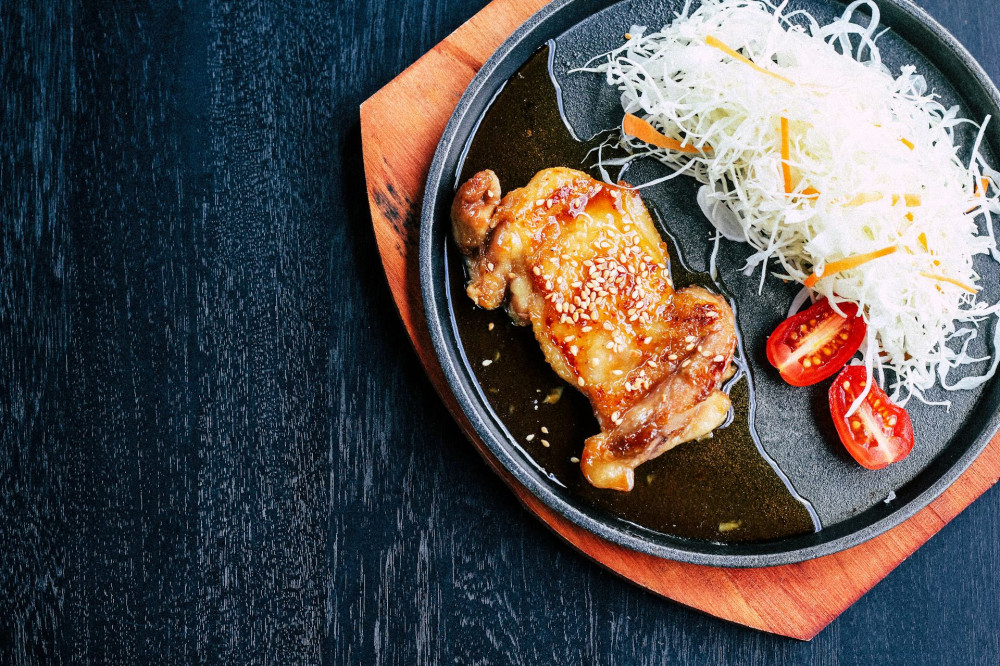
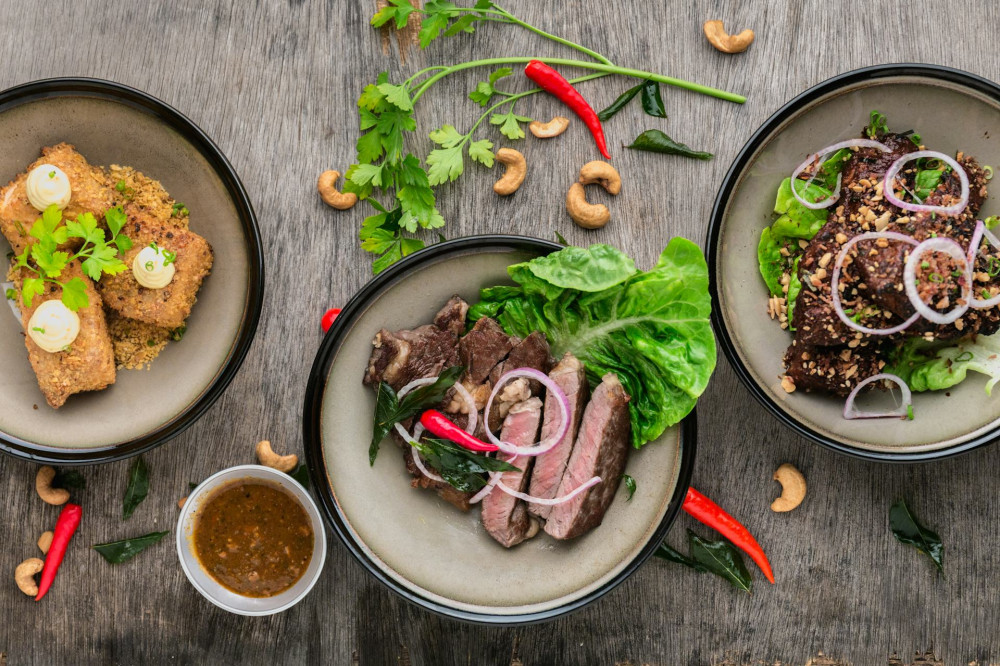
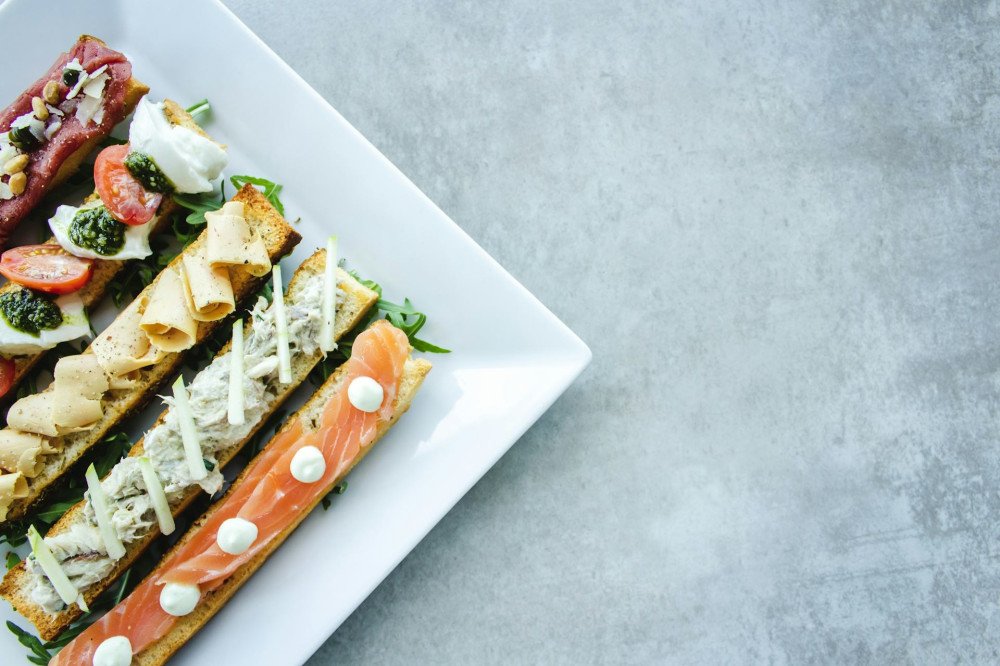
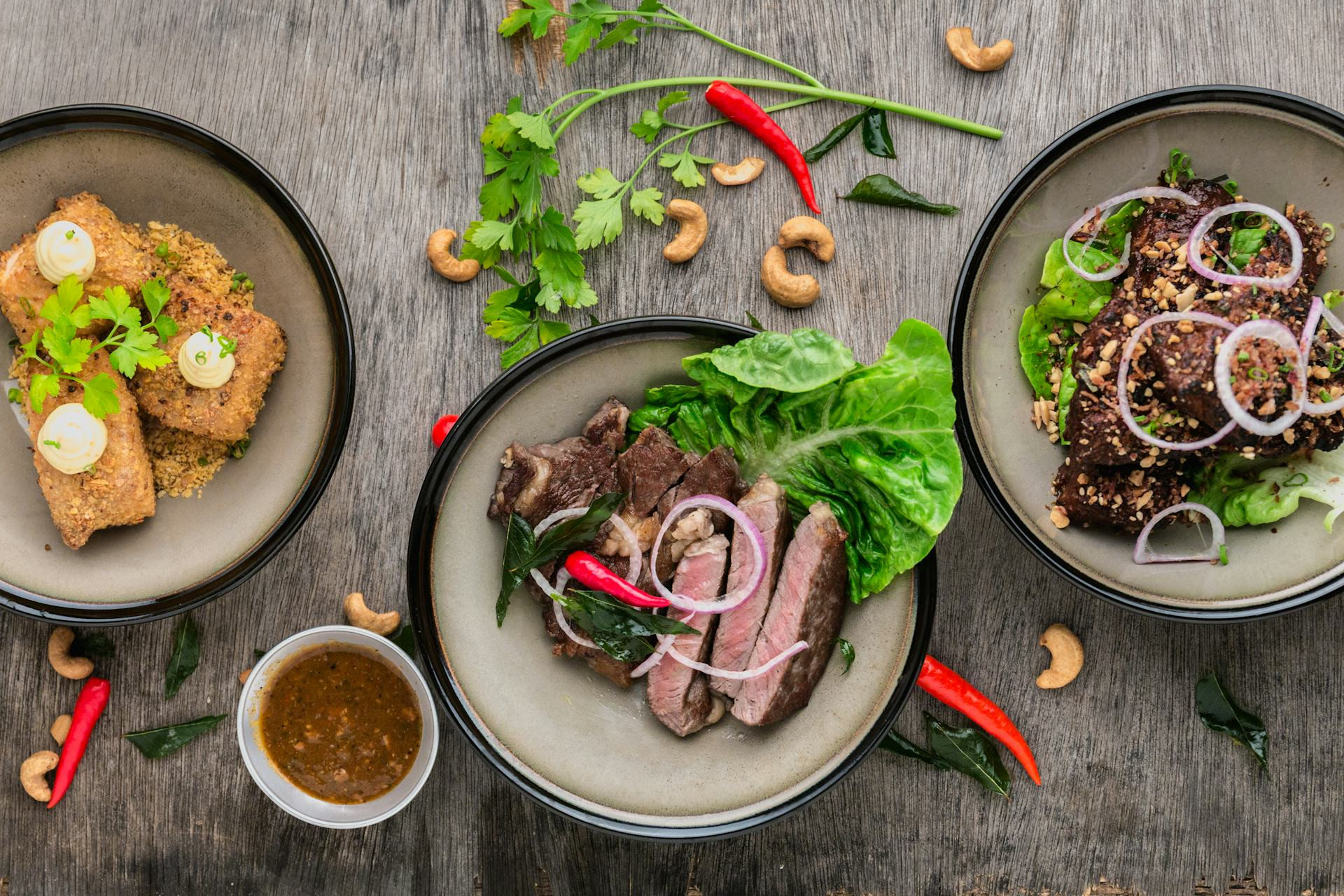
Presentation plays a major role in modern gastronomy, but even here, classical principles shine through: simplicity, balance, and proportion. A beautiful plate should not only impress visually—it should enhance flavor and tell the story of the dish.
The best chefs know that plating isn’t about decoration but about emphasis. A single herb, a drop of sauce, or a contrast in texture can elevate a dish from good to unforgettable. The artistry lies in restraint.
Tradition as a Springboard
Working with classical principles doesn’t mean being bound by tradition—it means using it as a springboard. Many of today’s most exciting culinary movements, from New American cuisine to global fusion, are rooted in old techniques but interpreted through new perspectives. The meeting of the familiar and the experimental is where gastronomy truly evolves.
When a chef reimagines a French velouté with local corn or pairs a Southern biscuit with Japanese miso butter, it’s an expression of both respect for the past and curiosity for the future.
A Timeless Balance
Gastronomy is always in motion, but classical principles serve as its compass. They remind us that cooking, at its core, is about flavor, craftsmanship, and respect—for ingredients, for technique, and for the people who share the meal.
No matter how advanced technology becomes, great food will always rest on the same enduring values: balance, precision, and love for the craft. That is why classical principles never go out of style—they simply evolve with time.
Læs også: