Take Good Care of Your Equipment – and Enjoy It for Years to Come

Take Good Care of Your Equipment – and Enjoy It for Years to Come
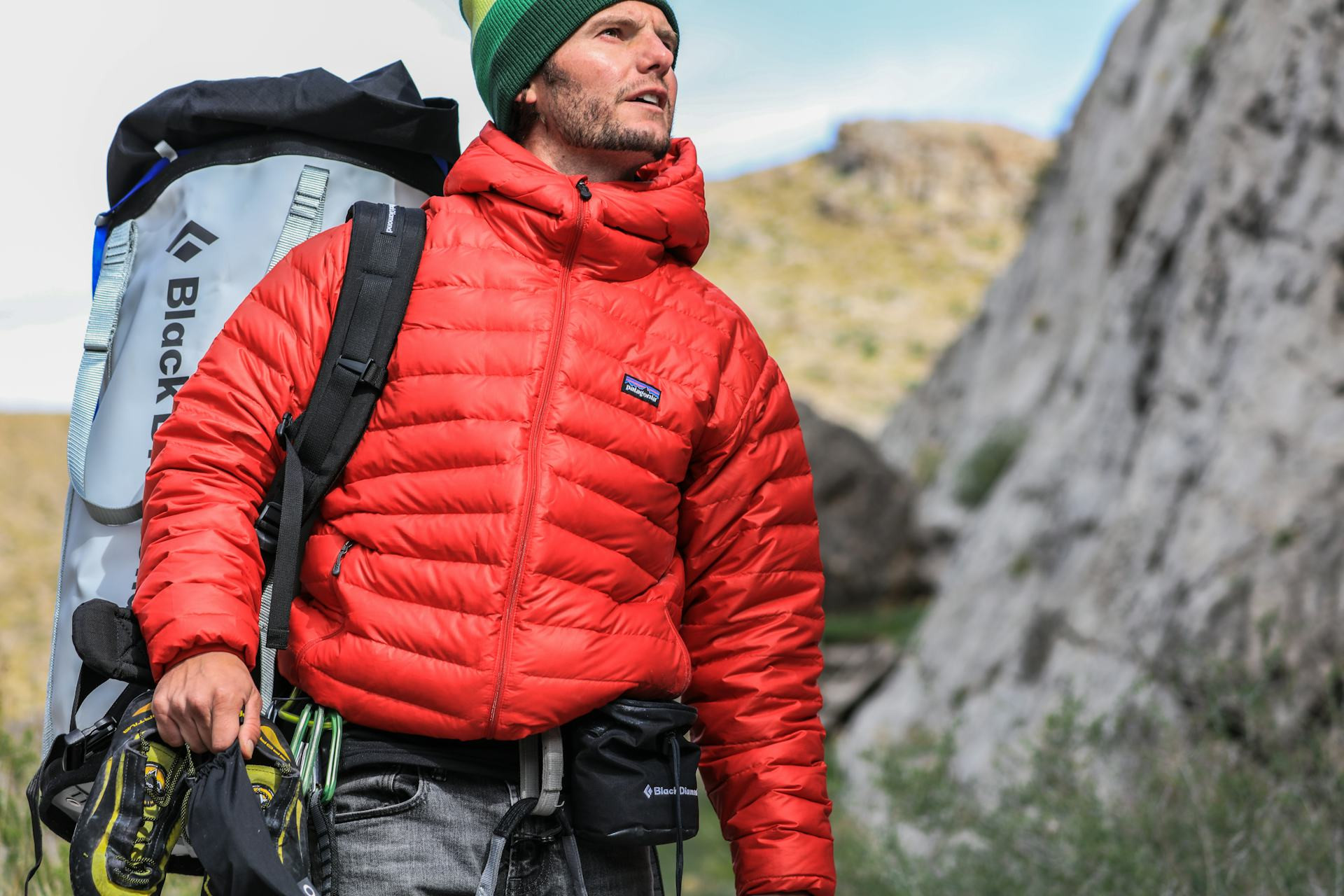
Equipment that’s well cared for lasts longer, performs better, and gives you a much better experience—whether it’s outdoor gear, electronics, tools, or sports equipment. Many people forget that a little maintenance and attention can dramatically extend the life of their gear, saving both money and resources. Here’s a guide to help you take care of your equipment so you can enjoy it for years to come.
Know Your Gear – and Use It Right
The first step in taking good care of your equipment is understanding it. Read the manual and learn how it’s meant to be used and stored. Many problems arise because gear is used incorrectly—like overloading a power tool, forgetting to lubricate a bike chain, or packing a tent away while it’s still damp.
Take time to learn how different materials react to moisture, heat, and wear. That knowledge helps you prevent issues before they start.
Cleaning – The Most Important Habit
Cleaning is the most overlooked, yet most effective, form of maintenance. Dust, dirt, and moisture can slowly damage even the best equipment.
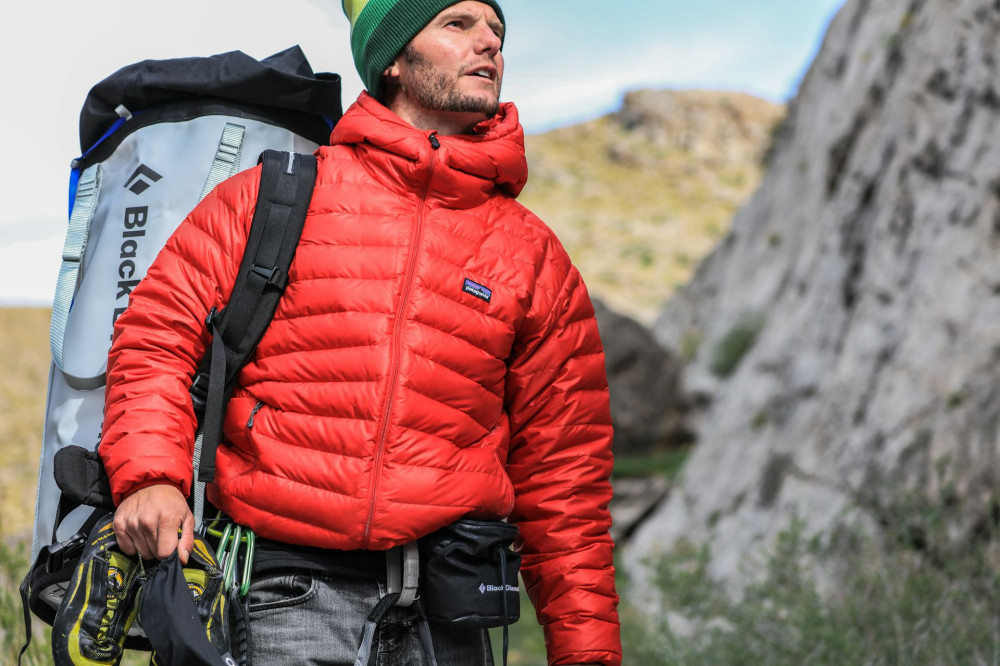
- Outdoor gear: Shake out tents and tarps to remove sand and dirt, let them dry completely before packing, and wash sleeping bags according to the manufacturer’s instructions.
- Electronics: Wipe screens and surfaces with a soft, dry cloth, and avoid harsh or wet cleaning products.
- Tools: Remove sawdust, oil, and rust after use, and store them in a dry place.
- Sports gear: Wash clothing and shoes after use, and let them air-dry in the shade—direct sunlight can weaken fabrics and materials.
A quick cleaning routine after each use makes a big difference. It only takes a few minutes but can add years to your gear’s lifespan.
Storage – Protect from Moisture, Sun, and Cold
How you store your equipment matters almost as much as how you use it. Moisture, temperature changes, and sunlight can all cause damage over time.
- Store gear dry and ventilated, ideally in a cabinet or bin where condensation won’t build up.
- Avoid direct sunlight, which can fade colors and weaken plastics and fabrics.
- If you store gear in a garage or basement, use sealed containers or bags to protect against dust and pests.
- For battery-powered devices, remove the batteries if you won’t be using them for a while.
A good rule of thumb: store your gear the way you’d want to be treated—clean, dry, and comfortable.
Maintenance and Small Repairs
Small repairs can prevent small issues from turning into big ones. A sticky zipper or a loose screw can often be fixed in minutes if you act quickly.
- Lubricate moving parts with oil or silicone as needed.
- Replace worn parts before they break completely.
- Use repair kits—many brands offer small kits for tents, jackets, and shoes.
- Keep an eye on seams, joints, and fasteners, and fix them before they fail.
It may seem like a small effort, but regular maintenance keeps your gear feeling new for years.
Læs også:


Think Sustainably – Buy Quality and Repair Instead of Replacing
Taking care of your equipment isn’t just about saving money—it’s also about sustainability. Extending the life of your gear conserves resources and reduces waste.
Buy fewer, higher-quality products that can be repaired and maintained. Many brands now offer replacement parts and repair services, and local repair shops can help with everything from bikes to electronics.
By choosing quality and taking responsibility for maintenance, you’re contributing to a more sustainable way of living.
Make It a Habit
The key is to make maintenance a natural part of your routine. Set aside time after use, create a simple checklist, and make sure your gear is always ready for the next adventure. It brings peace of mind and better experiences—whether you’re heading outdoors, working on a project, or just enjoying your favorite hobby.
When you take good care of your equipment, you’re also taking care of yourself, your wallet, and the environment. And you’ll enjoy your gear for many years to come.
Læs også: