Does Your Clothing Fit Right? How to Assess the Fit Properly

Does Your Clothing Fit Right? How to Assess the Fit Properly
A great outfit isn’t just about style or price—it’s about fit. Even the most fashionable piece can look off if it doesn’t sit right on your body. The right fit enhances comfort, confidence, and the way you carry yourself. When your clothes fit properly, you move more naturally and feel more at ease. Here’s a guide to help you evaluate whether your clothes truly fit—and what to do if they don’t.
Why Fit Matters
Fit is what makes clothing look intentional and flattering. A pair of pants that pinch or a shirt that pulls can ruin an otherwise polished look. On the other hand, a well-fitting garment can make even a simple outfit appear tailored and refined.
When trying on clothes, it’s not just about whether you can zip or button them. It’s about proportion, balance, and how the garment moves with your body.
Upper Body: Shirts, Blouses, and Jackets
Shoulders
The shoulder seam should align with the natural edge of your shoulder. If it sits too far out, the garment looks oversized; too far in, and it appears too small. Because shoulder adjustments are difficult even for a tailor, this is one of the most important areas to get right from the start.
Chest and Back
The fabric should follow your body’s shape without pulling or gaping. If buttons strain or you see horizontal lines across the chest, the garment is too tight. Too much extra fabric, however, can make it look baggy and shapeless.
Sleeve Length
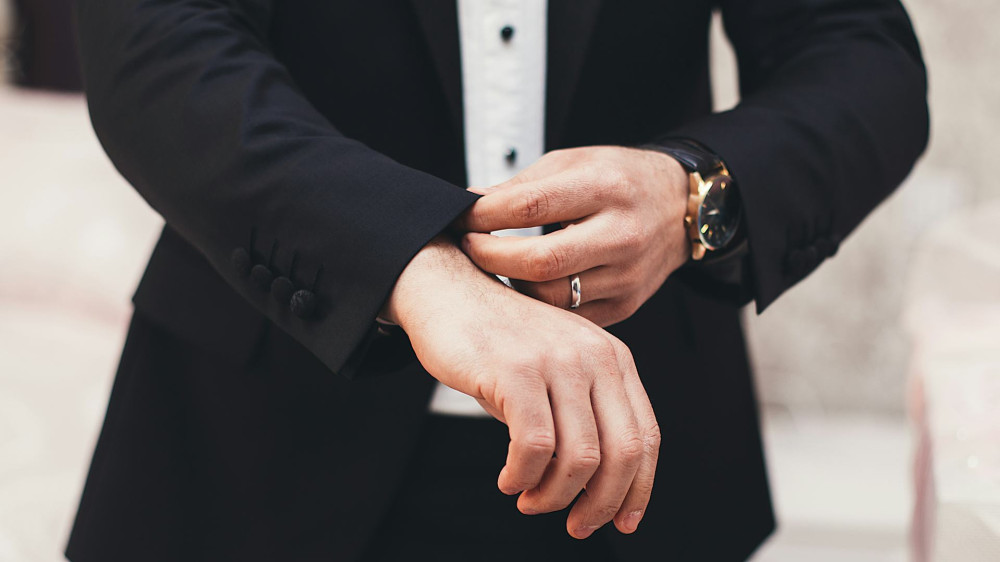
For dress shirts, sleeves should end right at your wrist bone, allowing about a half-inch of cuff to show under a jacket. For casual tops or sweaters, sleeves should cover the wrist without bunching or folding.
Jackets and Blazers
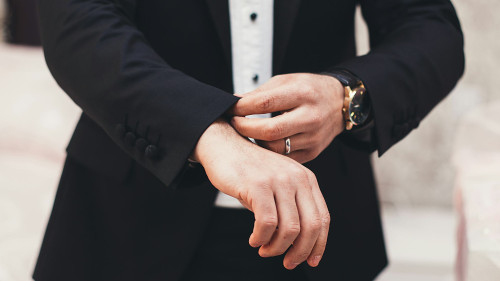
A blazer should button comfortably without pulling across the front. When your arms are relaxed at your sides, the jacket should drape smoothly over your shoulders and back. Sleeves should end just above the base of your thumb—long enough to look polished, but not so long that they cover your hands.
Lower Body: Pants, Skirts, and Dresses
Waist and Hips
Pants and skirts should sit securely at the waist without digging in. If you see marks on your skin after wearing them, they’re too tight. If they slide down as you move, they’re too loose. Sit, walk, and bend when trying them on—your clothes should move with you comfortably.
Length
Pant length depends on the style. Classic dress pants should rest lightly on the top of your shoes with a small break, while jeans or chinos can be slightly shorter for a modern look. Skirts and dresses should hang evenly all around; if the hemline rides up in the back, it’s likely too snug at the hips.
Seams and Lines
Check that side seams run straight down your body. If they twist forward or backward, the fit—or the garment’s cut—may be off. Straight seams are a good sign of proper alignment and balance.
Fabric and Movement
Different fabrics behave differently. Stretch materials like spandex or jersey allow more flexibility, while structured fabrics like wool or cotton require a more precise fit. When trying on clothes, move around—raise your arms, sit down, twist your torso. If the garment feels comfortable in motion, it’s a good fit.
Læs også:


Tailoring and Adjustments
Even high-quality ready-to-wear clothing rarely fits perfectly right off the rack. Small alterations can make a big difference. A tailor can:
- Shorten or lengthen sleeves and pant legs
- Take in or let out the waist or hips
- Adjust shoulders or side seams for better balance
These minor adjustments are often worth the investment—they extend the life of your clothes and make them look custom-made.
Know Your Body Shape
Understanding your body shape helps you choose pieces that fit well from the start. Some people have broader shoulders, others narrower hips or longer torsos. Knowing what cuts and silhouettes flatter your proportions saves time and frustration. Experiment with different styles, and remember: fit is as much about how you feel in your clothes as how they look.
The Perfect Fit Feels Effortless
The best-fitting clothes are the ones you hardly notice you’re wearing. When the fit is right, you move freely, and your outfit enhances your confidence instead of distracting from it. Learning to recognize good fit takes practice, but once you do, you’ll see—and feel—the difference between clothes that simply “work” and those that truly flatter you.
Læs også: